Friday, 22 September 2023

Easyfundraising

Hi All,

Just a reminder that RSPB Liverpool are on the easyfundraising site . So if you regularly order stuff on-line, check it out and help your group raise some funds.

We turn your daily shopping into every day magic!

easyfundraising partners with over 7,500 brands who will donate part of what you spend to a cause of your choice. It won't cost you any extra. The cost is covered by the brand.


If you go on the website then select 'RSPB Liverpool cause' to then link to the websites you want… there is no reason to buy anything if you don't need it but just incase you do then please use the link below.

So far the donation to the group is £396.961👍😁 something back off the retailers.

Stay safe and well , hope to meet up with you all soon.

Chris

Friday, 6 May 2022

Liverpool RSPB’s 2022 AGM 50th anniversary year- Anyone for cake?


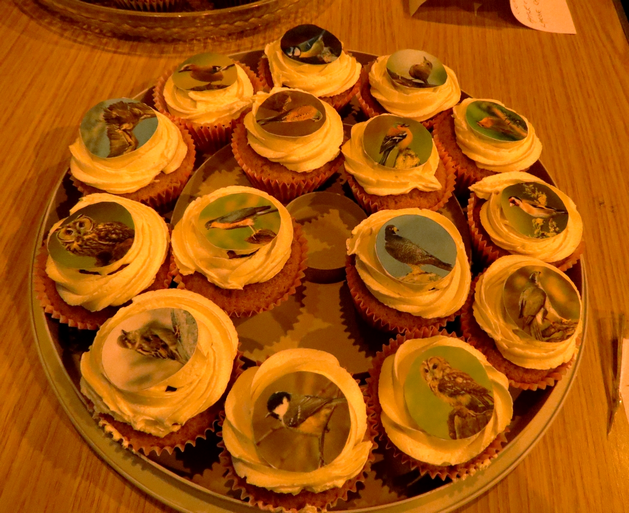
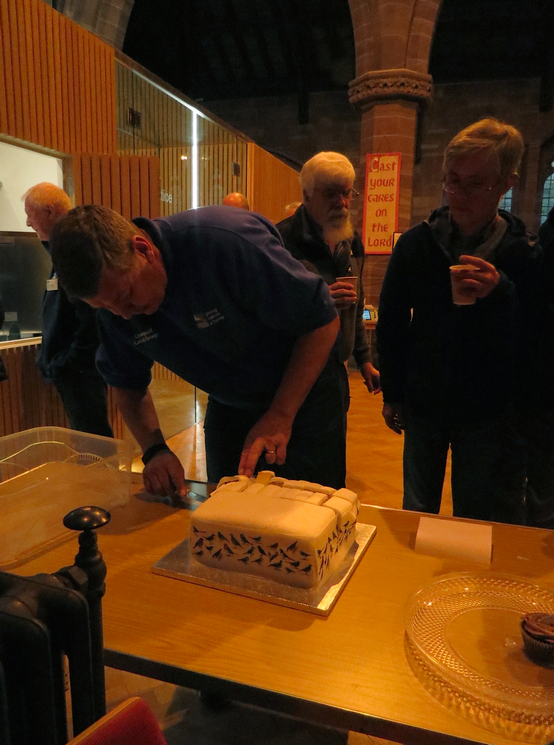
Liverpool RSPB’s 2022 AGM was a special evening, as it’s our 50th anniversary year, and quite rightly we celebrated with cake or should I say cakes. Local group member Anne Ludwig did us proud with 50 bird themed cupcakes and a large iced, layered sponge cake that Chris had the task of slicing up; also ensuring he had first dibs!


We also have 50 specially commissioned nest boxes, engraved with 'RSPB Liverpool 50yrs Giving Nature a Home', stock sold out on the night but more available on request.


Fifty nine of our members attended the meeting. Chris gave a Leaders report of the recent year’s activities and our future events. We went through the business of re-electing committee members, explaining expenditure and the group’s donation of £1500 to the Gough seabird appeal  (https://www.rspb.org.uk/our-work/conservation/projects/gough-island-restoration-programme/)   All attending were given the opportunity to ask questions, make requests or share ideas.

Alasdair McKee, the RSPB'S Local Groups Officer followed giving an expression of thanks for all Liverpool RSPB do from RSPB HQ and then went on to  regale us with snippets from Bird Notes & News, the original RSPB newsletter-
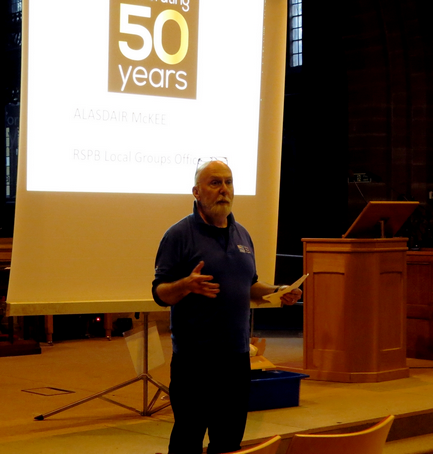
Alisdair Mckee


Did you know loathsome bird catching (still going on in the Mediterranean today sadly) was a general practice among English people in days past; for eating, plumage or entertainment?  Cage birds,nets and the abhorrent bird lime was freely advertised and songbirds were sold in big stores as food including skylarks  and fieldfares in season, and  the Southport  gun club, regularly held  starling shoots.

But all was not lost, in 1889, sickened by a slaughter of exotic birds for their feathers; Emily Williamson started the Society for the Protection of Birds aiming to campaign for change. 

I’m pleased to say our  neck of the woods played its part; In 1903 twenty  of the leading millinery firms in Southport held a  display show of plume free millinery at the RSPB Southport Branch and for 2 days in April their shop windows  were full of this trimmed millinery with the card ‘Without destruction to wildlife’… well done.

After campaigning tirelessly for change, the plumage (prohibition) Act was passed in July 1921, banning the import of plumage.  And Liverpool led the way in 1922, Liverpool succeeded in obtaining the first order issued in England protecting all wild birds throughout the year expressly to stop bird catching in the suburbs in the open season, congratulations to the Liverpool branch of the RSPCA and RSPB.


So what did Chris convey –?

The New RSPB website will be coming online shortly; in the meantime, the old site is still accessible showing details of future events.

Our peregrines, sited in the tower of Mossley Hill Church are doing well, and are expectant parents of 3. Male has been named Bruno, his lass is a girl from the midlands (ringed peregrine).

Chris liaising with RSPB HQ, and assisted by other local group members have been discussing and attempting to find solutions to the on-going problems of Liverpool’s netted high buildings, such as the Anglican Cathedral and Tobacco warehouse. These buildings have been netted for various reasons to stop Peregrines from breeding on them; to many a distressing situation and sadly not an uncommon practice throughout the country and often in the news. 

The RSPB resumed outdoor events in January. Our first being a replacement walk around Sefton Park, normally the group holds a ‘Big garden birdwatch’ event in the Palm House in January. To say it was popular was an understatement as approximately 80 people followed Chris along the paths; A mixture of regular members and those newly interested, several on the walk went on to the join the group and have  been out with us again.

Chris Tynan. RSPB Liverpool Jan 2022 Sefton Pk


Chris has been working with the NHS’s nature recovery rangers. Covering Aintree, broadgreen and the royal hospitals, a series of short local woodland health walks is what’s prescribed, in the fresh air embracing nature, connecting to green spaces to benefit their mental and physical health. Every hospital should have a ranger - https://www.youtube.com/watch?v=VKz7x2tjC6w&ab_channel=TheCentreforSustainableHealthcare


RSPB Liverpool will be on board for the two Birdwatching ferry cruises planned this year 16th July and 11rh of September. (Ticket Prices Adults - £20, Children aged (3-15) - £10)

https://www.merseyferries.co.uk/our-cruises/wildlife/bird-watching-cruises/#timetable-grid


Chris joined RSPB Liverpool in 1996, within a few years he was group leader.  In 2003 he was working for the RSPB on Southport pier, a testament to his skills in talking to, sharing his knowledge and enthusing the public about why birds were brilliant.  In 2018, Chris Tynan received the RSPB Presidents Award. The President’s award is given to 5 volunteers every year to highlight outstanding volunteering. Chris says birdwatching and carrying on with our group's leadership is what keeps him going, but warns someday we’ll need a replacement, yikes.
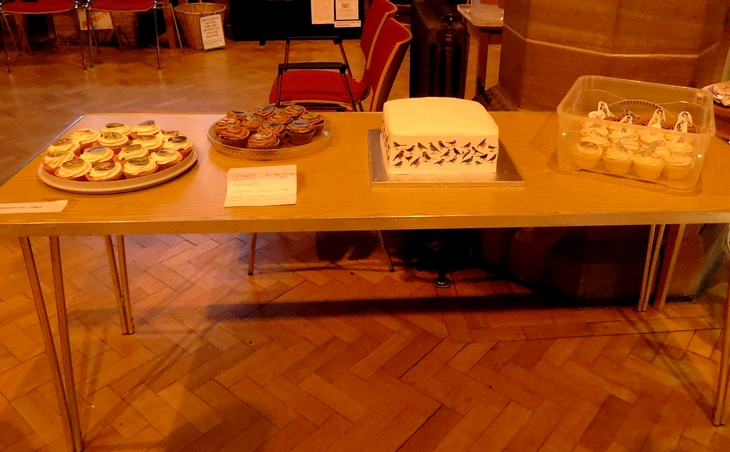


Well done local group member  Anne Ludwig, delicious


Cake ate or secreted away...Our meeting concluded with a talk from Chris about his favourite 50. His first recollected interest being inspired by blue tits, who were famed for sipping the cream out of the tops of doorstep milk bottles!

He told of magic moments at home, of adventures abroad and exotic locations, favourites from garden, woodland or sea, of agonising dipped birds. All had a memory attached, the bird or even the circumstances in which it was found.  I could list the birds, but that would be a spoiler for those who missed the talk, but might like to hear it in the future… from the Mersey Oystercatchers to the New Zealand little Blue Penguins, his list was an education in itself.


Laura

Friday, 9 April 2021

1 million take part in record-breaking RSPB Big Garden Birdwatch

Top Bird House Sparrow
Over a million people across the UK spent an hour watching the birds that visit their garden or outdoor space, double last year’s participation numbers The Big Garden Birdwatch is the world’s largest wildlife survey and gives RSPB scientists insights into how our garden birds are faring both across the country and here in Merseyside. Many people sought solace in the wildlife in their local area during the worst crisis this country has faced since WW2 The number of nature lovers who took part in the RSPB’s Big Garden Birdwatch soared to a million people this winter after a year of lockdown restrictions saw people turn to nature for comfort. 
Now in its 42nd year, the Big Garden Birdwatch is a chance for people of all ages to count the number of birds that visit their garden, helping the RSPB build up a picture of how birds are faring. This year, over a million people across the country took part counting 17 million birds, with over 13,000 people taking part across Merseyside. Hopes were raised for a bumper participation year after results from a YouGov survey revealed the pandemic is making the public more aware of nature in their local area, with 41% seeing wildlife near their homes over the last 12 months that they had never noticed before. The YouGov survey of 2,071 adults across the UK revealed 63% of people said watching the birds and hearing their song added to their enjoyment of life since the onset of the Covid-19 pandemic, with more than half of those surveyed (51%) believing the pandemic has made them more aware of the nature around them.
 When the final Big Garden Birdwatch results were counted, the RSPB was blown away by the phenomenal response from the public. Over the first three days of submissions alone, numbers were up 85% compared to the same time period in 2020. Beccy Speight, RSPB CEO said: “We have been blown away by the enthusiasm with which people have taken part in the Birdwatch this year. Lockdowns have brought few benefits, but the last year has either started or reignited a love of nature for many people, right on their doorsteps. “This winter has been a bleak ordeal but as the dawn chorus starts to burst into song and the blossom starts to flower from the trees once more, we are emerging from this pandemic a new generation of nature lovers. “We hope the Birdwatch has kindled a new passion for wildlife for the thousands who took part for the first time this year – we need every voice raised to stand up for nature. The wildlife that gave us so much interest and solace is now just a fraction of what should be there.
On the back of this wave of public support, we need the government to take the global leadership, policy and legislative opportunities open to it this year to reverse the decline and restore nature now.” The charity is also urging members of the public to take care as they return to the countryside near them as nature’s busiest season is underway. As breeding season begins, birds and other wildlife could be nesting nearby, with over half of England’s most threatened breeding birds nesting on or near the ground. To be sure to help the wildlife near you this spring, be sure to follow the Countryside Code when exploring your local area. 
Male Starling Nester

The Big Garden Birdwatch, which was held over the last weekend in January, revealed that nationally the house sparrow held on to its number one spot, but 16 out of the top 20 bird species showed declines in average counts compared to last year. Starlings slid down the ranking from 2nd place for the first time since 2010, with numbers down 83% since 1979. Further national declines were recorded for greenfinch and chaffinch, with the lowest average for both types of bird ever recorded during the Big Garden Birdwatch.

 
Fighting Cock Robins

Only robins, blackbirds, carrion crows and the song thrush saw an increase on 2020 across the UK. Over its four decades, Big Garden Birdwatch has highlighted the winners and losers in the garden bird world. It was first to alert the RSPB to the decline in song thrush numbers, which are still down 78% compared to the first Big Garden Birdwatch in 1979. This species was a firm fixture in the top 10 in 1979. By 2009, its numbers were less than half those recorded in 1979, it came in at 20th in the rankings this year, seen in just 9% of gardens.
Big Garden Birdwatch Results 2021
The house sparrow remained at the top of the Big Garden Birdwatch rankings in Merseyside as the most commonly seen garden bird. Found in nearly 54% of Merseyside gardens, across the country more than 2.6 million house sparrows were sighted throughout the weekend. Meanwhile, the starling and blackbird joined house sparrows to form the top three most sighted birds in Merseyside as local people enjoyed watching the wildlife found in their gardens. Beccy added: “One way you can help revive our world is to bring nature to you. Your garden, balcony, and even windowsill are potential havens for wildlife, and in April we’re launching a digital platform, Nature on Your Doorstep, to help show you how.”
Female Blackbird


Throughout the first half of the spring term the nation’s school children took part in the RSPB’s Big Schools Birdwatch. The UK-wide survey of birds in school grounds saw over 21,000 school children and their teachers spend an hour in nature counting the birds. Woodpigeon was the most numerous species seen with an average of 9 per school; and was seen in 85% of all schools that took part. Blackbird was a close second with an average of 8 per school.
Wood Pigeon


 For a full round-up of all the RSPB Big Garden Birdwatch
results and to see which birds were visiting gardens where you live, visit www.rspb.org.uk/birdwatch Discover more about the RSPB’s exciting new Nature on Your Doorstep resources here: www.rspb.org.uk/yourdoorstep


Record you garden birds all year long with the BTO       https://bto.org/our-science/projects/gbw  
And if you have nesting birds -   https://www.bto.org/our-science/projects/gns/about/nesting-neighbours

Wednesday, 10 March 2021

Exciting times ahead with the - RSPB Liverpool Peregrine Project

One of Liverpool's Peregrine Falcons 


The peregrine is a large and powerful falcon. It has long, broad, pointed wings and a relatively short tail. It is blue-grey above, with a blackish top of the head and an obvious black 'moustache' that contrasts with its white face. Its breast is finely barred. It is swift and agile in flight, chasing prey.


The strongholds of the breeding birds in the UK are the uplands of the north and west and rocky seacoasts. Peregrines were at a low point in the 1960s due to human persecution and the impact of pesticides in the food chain. Improved legislation and protection has helped the birds to recover and they have now expanded into many urban areas.

However, they are still persecuted - birds are illegally killed to prevent predation on game birds and racing pigeons. They also have eggs and chicks taken for collections and falconry. Peregrines are a Schedule 1 listed species of The Wildlife and Countryside Act.
 
Peregrine's in the last 20 years have become town centres birds. Finding buildings like Cathedrals, churches or shopping centres as new nesting places. Cities have also become great places for finding lots of prey species. 

Follow the trials and tribulations of a Liverpool nesting pair who have had huge support off RSPB Liverpool.

👀So make a note in your diary - Wednesday  17th   March  7:00 pm.

https://us02web.zoom.us/j/86497283450?pwd=clhSVDBwaTFEK09tT21WQmZZQWJNZz09

For joining details /passcode. 
Please email RSPB Group Leader Chris Tynan  -christtynan@aol.com 

Follow our birds on Twitter - https://twitter.com/LpoolPeregrines
Follow our birds on Ytube - https://www.youtube.com/channel/UCg3HpwTJIw6Qf9DEnKf4Dkw

An extraordinary Long tailed tit!


 What a story of a long tailed tit found in Halewood by a friend of one of our members - Mark Pritchard.


Saturday, 20 February 2021

REWILDING BRITAIN'S GARDENS USING BLUE HEARTS

 BLUE campaign - What is it?


The campaign promotes the rewilding of our gardens, parks, road verges and school grounds. It suggests that a part of this ground is set aside and left to grow through the summer. 


A blue heart symbol, made out of recycled materials, is staked in the ground over the area being rewilded. This communicates to neighbours and friends that rewilding is in process (and that it is not just the owner or council being lazy!)

https://bluecampaignhub.com/


It's half term - and if the weather is anything like it is in Devon, you'll be looking for an indoor activity! So why not make a Blue Heart to decorate your rewilded patch and get your neighbours talking about rewilding.

It takes only two easy steps: 

1. Get a heart (recycled materials preferable) or make your own.

2. Paint it BLUE! 💙

Then all you have to do is step back. The best thing that we can do for our gardens and wildlife is to let nature take hold. By stopping pesticide use and leaving your grass grow and flowers to bloom, the biodiversity in your garden will increase, from insects and birds, to mammals like hedgehogs, foxes, and even badgers.

And don't forget to enjoy what you've created and keep sending in those pictures! 💙💙#bluecampaign #wildblueheart #UrbanRewilding #rewilding #ecology #nature #wildlife #plants #flowers

#EveryFlowerCounts #NoMowMay

Wednesday, 13 January 2021

Organisations unite against neonicotinoids decision


RSPB joins other environmental organisations to unite against the recent Government decision on neonicotinoid pesticides pan-uk.org/organisations-


Got Borage in your garden?