Monday, 30 April 2012

 Liverpool RSPB field Trip report - Black Grouse Lek
Sunday 29/04/12


Sunday found us up before the lark, leaving Liverpool at 4am in the pitch dark for a 5am meet at UPM Tilhill’s, Coed Llandegla Forest in Denbighshire. We arrived at the visitor centre just as dawn was breaking on the horizon. And flaming Palinka it was cold, 2 degrees Celsius with a bitter wind chill which soon got the better of my insulated gloves.
 
Seven hardy souls made it to Llandegla Moor in search of the lekking Black Grouse (tetrao tetrix), we were not disappointed. The count being 13 males and one grey female (ratio doesn't seem right to me somehow!). The species is red-listed in Wales, which means it is of the highest conservation concern. 50% of the Welsh Black Grouse population lives within one mile of the forest. The Lek, is an early spring display site, the male grouse mock fight to impress an audience of females - well hidden from our eyes this morning.  There are currently estimated to be 328 lekking males in Wales, a positive recovery over recent years. The Moor is managed for the grouse; the heather is cut consecutively, which forces new growth and allows the cotton grass and bilberry to gain a foothold, providing year round food for the grouse and their chicks.

          
A 30 minute walk through the forest brought us to our hiding place, a converted ships container – all mod cons here, magnolia walls, carpet on the seating bench, and a speaker transmitting the bird calls from a microphone hidden on the moor.  Although  400 metres away the  male birds  were easily visible on the open ground,  drooped wings, pure white tails feathers fanned out, bubbling, screeching  and strutting their stuff to impress the females. Just like miniature Capercaillies.  The highlight and best view by far was when the 13 males took to the air disturbed by a passing crow, their striking white wing bars evident as they quickly returned to their Lek and the important business of the day.
 
After half an hour or so the weather started to deteriate and the forecast rain fell as snow, time for a sharp exit… But just as we were leaving a rogue male flew towards the hide giving us a closer view. Apparently this bird has taken to displaying on a rise near to the container, its thought (hopefully) he could be starting up a new Lek.  

 
Taking the trail back through the forest offered us some protection from the inclement weather and gave us the other highlight of the day; Crossbills flying overhead and then a family group feeding in a Larch. Hooked bill, red underside and rich red rump a glorious male, a juvenile and the female of a more green hue. Despite the weather the dawn chorus was in full voice,  Willow warblers, Song thrush, Nuthatches and Robins sang out.  Overhead  small groups of Siskin and Redpoll flitted through the canopy. A Tree pipit in a tree gave us a closer view, as did a Coal tit, and Goldcrest.
 
As the snow came down we retreated to the Oneplanet cafe for a full Welsh breakfast, a bacon bap or would you rather have porridge and home produced honey?  We left at 9am just as the hordes of weather resistant mountain bikers arrived for the day.
.
Our day list: Crow-Dunnock-Blackbird-Woodpigeon-Siskin-Crossbill-Black grouse-Tree pipit-Goldcrest-Robin-Redpoll-Mallard-Canada Goose-Coal tit-Collared dove-Chaffinch-Jackdaw-Jay-Song Thrush.
 
Julie our RSPB guide at Llandega tells us ‘there be Nightjars’ on site and they plan to hold future Wednesday night viewing events - barbecue supper included !… so, get your white hankies ready and watch this space.
 
 
Report compiled by Stores and Laura.
 
Ps  Palinka is a Hungarian brandy – just getting ready for the groups big trip!

Wednesday, 25 April 2012


Liverpool RSPB Field trip report
RSPB Leighton Moss Sunday 22/04/12.


16 determined birders ignored the weather forecast and headed out to RSPB Leighton moss. We were not disappointed. 
Our first highlight of the day came with a chance sighting of 3 frolicking Otters, splashing about in the sunshine, observed from the roadside on the way into the reserve the first tick of the day and it wasn't a bird!

Once inside the reserve we were only confined to quarters on  2 occasions - when it really was raining stair-rods, but this proved to be no hardship tucked away  in the reserves  cosy hides observing -  smart spring migrant Garganey. A pair of Great Crested Grebes performing their ‘running on water’ courting ritual, pond weed offerings clenched in beaks. The barbarism of 2 male Moorhens locked in a fighting frenzy, furiously kicking out with their feet.  And the ‘Ahh’ moment? Watching the wobbly antics of 2 clutches of Greylag goslings finding their feet.

Without doubt one of the major events of the trip was the Osprey that flew in from the estuary ahead of a squally band of rain, you’ve never seen so many people move so fast, jostling to get a better view as the bird flew over the Eric Morecambe hide on the look out for its fish dinner. Other diners on the pools, alongside the many Godwits and Redshank were impressive Spotted Redshank, Avocets and Egrets. After lunch the group had a lucky break with a tip off of where to find the lonely, lingering Glossy Ibis, another tick for the day.

A walk round to the public hide rewarded us with some great views of a pair of Marsh Harriers flying low along the tree line and woodland slopes. A comical moment was a peckish Cormorant struggling to swallow a rather large eel, believe me that eel wasn’t going out without a fight; you could see it wriggling all the way down.

The day finished with the group taking a diversion from the road home. Stopping off on the A6 to a riverside spot, where we were told a kingfisher hung out; the bird was there but sadly only a few of us got a fleeting turquoise glimpse of it as it swooped along the riverbank. A dippy Grey Wagtail was a welcome bonus to our tick list.

The tickmasters list recorded 70 species seen and a few that got away, being heard but not observed, Reed warbler, and most frustratingly Cetti's warbler and Bearded Tit...Ping.  

Bar headed goose-Greylag goose-Pheasant-Collared dove-Robin-Woodpigeon-Jackdaw-Mallard-Great tit-Blue tit-Chaffinch-Buzzard-Black headed gull-Coot-Great crested grebe-Pochard-Gadwall-Tufted duck-Garganey-Canada goose-Greenfinch-Lapwing-Teal-Moorhen-Shoveler-Reed bunting-Great spotted woodpecker-Wigeon-Lesser black backed gull-Wren-Blackcap-Bullfinch-Coal tit-Magpie-Marsh tit-Dunnock-Grey heron-Chiff-chaff-Swallow-Spotted redshank-Pied wagtail-Shelduck-Avocet-Redshank-Oystercatcher-Little egret-Black tailed godwit-Carrion crow-Osprey-Meadow pipit-Long tailed tit-Goldfinch-House sparrow-Glossy ibis-Mute swan-Feral pigeon-Kestrel-Sparrowhawk-Marsh harrier-Cormorant-Great black backed gull-Little grebe-House martin-Sand martin-Willow warbler-Grey wagtail-Kingfisher-Skylark -Song Thrush.
A mix of heavy down pours and sunshine, but we didn’t get wet, and a great day out was had by all even if we did leave behind the sea odyssey spectacular.

Cheers
Stores & Laura.

Wednesday, 4 January 2012

Liverpool RSPB's BIG New year birdwatch


After getting up nice and early with a scrapping of ice from the windscreen, it was up to the Speke/Garston LNR for Liverpool RSPB's BIG New Year Birdwatch and the start of many peoples New Year birdlists. Sunday compared to the previous days total washout, dawned cold, dry, sunny, with a slight breeze with little wind chill. 35 intrepid birders joined the throng eager to start the walk, ears pricked binos at the ready.

A great start even before the last boot was laced and the car park left we had seen Blackbird, Woodpigeon, L.B.B.Gull, Goldfinch, Flocks of Starling, a Grey Heron in flight and hunting Kestrel. Walking the path toward Garston shore we spotted Redwing perched in the trees, soon joined by 2 more of the Turdus species Mistle thrush and singing Song thrush. The Kestrel we had seen hunting earlier came to perch in the trees close to the path giving us great views of her sunlit plumage, she didn't seem to be bothered by the gawping humans 20 0dd feet away! Shortly after it was joined by the tercel, male and female together.

A Greenfinch was the last to be ticked off before we moved onto the river birds. Along the shoreline probing the mud ( MERSEY MUD MATTERS -website article) we found Redshank, Cormorant, Herring gull, Black Headed Gull, Curlew, Teal, Mallard, Lapwing, and a magnificent yet menacing Gt.Black Backed Gull. Overhead being mobbed by crows an unconcerned Buzzard scanned the reserve blow. In the breeze swept reeds between the mudbanks and the path Reed Buntings flitted between the stalks, a Wren called out and was duly ticked. Back on the river we had 3 Shelduck bobbed along, quickly out done by a flock of Dunlin, twisting and turning in flight along the shore looking for the best bit of mud to alight on. A Turnstone was observed, doing what it does best, turning stones, piping Oystercatcher completed the picture.


Turning away from the shore scanning the fields around the warehouses, we ticked off Magpie, Collared Dove, and Carrion Crow. And a then at mega for the day the strange distant bird acting like a kestrel turned out to be a Peregrine perched onto the corner of the B&M building, then swooping through the buildings and onto Speke Hall Woods. Spreading out for walk through the marshy grassy area, our stealthy band of 'beaters'! Flushed out a marvellous Brown Hare, a covey of 5 Grey Partridge, a Skylark, a Snipe and a Meadow Pipit.

Moving on to our second stop of the day we re -grouped by Sefton Park Lake (Along with a large proportion of Sunday strolling Liverpudlian families enjoying the sunny weather- the swans, geese and ducks were all well fed that day) The tick list grew, as we added feral Pigeon, Mute swan, Common gull, Coot, Canada goose, Moorhen, 4 gorgeous Little Grebes, and a sprightly lakeside Grey Wagtail. Leaving the lake and into the trees we espied, along with the resident Grey Squirrels and Rats, Blue tit, a good view of a Ring neck parakeet (a first for many of our group), Long tailed tits, Great tits, hunting Sparrowhawk, Robin, Chaffinch, and a posing Jay perched on a branch probably keenly watching where the resident Grey’s were burying their monkey nuts. A Pied Wagtail and 4 Mistle thrush's were on the playing fields avoiding the footballers.

A short walk over to nearby Greenbank Park gave us a Tufted duck, a Jackdaw, another sighting of the Ring necked Parakeet and a handsome male Goldeneye on the lake.

Back to our cars for a quick drive to the Black Woods in Childwall gave us Nuthatch, Coal tit, female Great spotted Woodpecker and male Great spotted woodpecker as "Ged" our Woodpecker expert pointed out at the last indoor meeting 'Red on the crown'! Stock dove and to finish off as the sun was going down we got lovely Brambling.


60 birds in total, not bad for a day in local parks.

BIRD REPORT COMPILED BY CHRIS STOREY THE TICKMASTER!

And a little bit from me!

Laura

Monday, 28 March 2011

Avocets at RSPB Marshside. Make a Date.


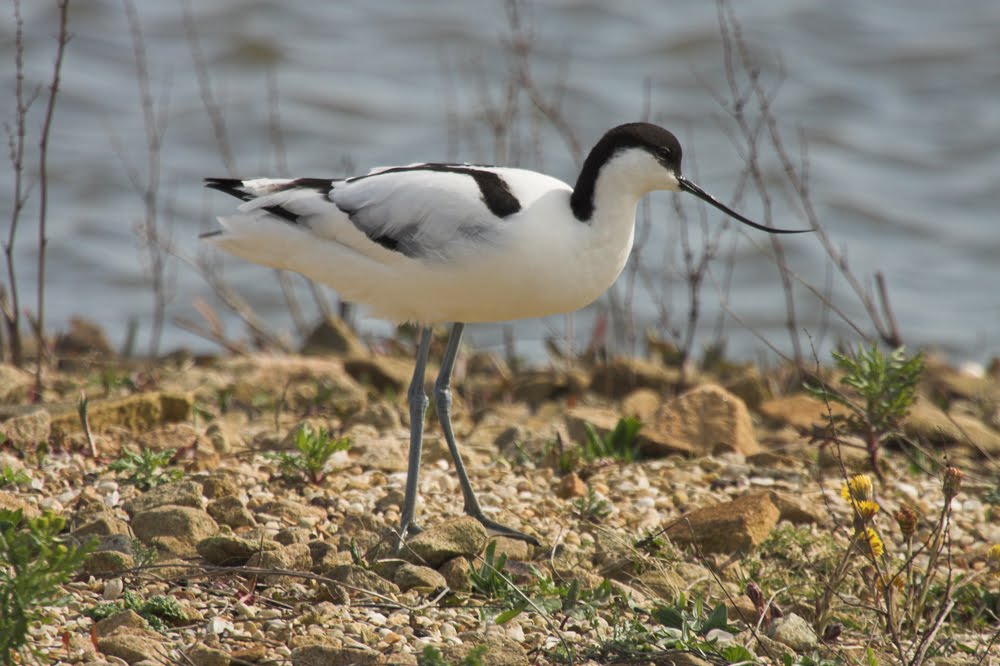
Nature lovers and their families are invited to visit RSPB Marshside to see one of the UK’s most charismatic waterbirds in action. From 1 April, staff and volunteers will be hosting the Marshside Avocet Date with Nature, showcasing the iconic black and white birds with the upturned bill, which have made the Southport reserve their home during the breeding season. Avocets, the emblematic species of the RSPB, have been breeding at RSPB Marshside for the past 10 years with the number of pairs rising from 1 in 2001 to 37 in 2010. This year, 32 avocets have already returned to the reserve. The birds are attracted to the specially created islands, which have been covered in cockle shells to mimic their preferred nesting habitat. Alex Pigott, warden at RSPB Marshside, says: “Avocets are fascinating birds to watch during breeding season as they get really protective and will chase away anything that they think might pose a threat to their young. It is not unusual for them to scare off other birds twice their size. “As many of the avocets nest near our main hide, visitors should be able to get great views of these birds. We hope to get as many people visiting as possible and would particularly love to see children enjoying these wonderful birds.” Besides avocets, RSPB Marshside also boasts the greatest concentration of breeding waders of any other nature reserve in the UK with large numbers of lapwings, redshanks and oystercatchers The Marshside Avocet Date with Nature runs from 1 April to 4 July every Friday to Monday 10am to 5pm at the main hide.

Sunday, 20 February 2011

Disneyland Paris birdwatching


A family holiday to Eurodisney with a load of none birders and not allowed to bring the bins isnt the best thing for a birder.


I have been here a few times in October with kids and had a number of common species but not a great deal apart from crested tit while queueing for Thunder Mountain in 2004. I thought it was a passing bird.


So, Valentines day flying to Paris sounded romantic. Tuesday morning up and early and off to the park. Common species like mallard, crow, house sparrow, chaffinch, black headed gull were easy to see.


I soon added cormorant, blackbird, wood pigeon, canada goose and kept queueing for rides. Moorhen, greenfinch, sparrowhawk, magpie, collared dove and redpoll finished off day1.
We stayed in the Cheyenne which is a cowboy themed hotel but as my eyes kept scanning the skies no birds of prey or anything different than listed. I walked through to Newport Bay Hotel on our last day and added blue, coal, great and long tailed tit, rook, dunnock, goldcrest, pied wagtail. A large flock of serin were feeding by the main lake at the hotel. I walked through the hotel out on to the circular road adding jay and out on to the open fields hearing pheasant, wren, skylark and watching a reed bunting and kestrel.
Last rides were the order of the day and back to Thunder Mountain and I heard, then saw the crested tit again in the pine trees by the fastpass entrance. What a way to finish the trip.
Chris


Speke Garston Coastal Park part1


I spent some time last year visiting this site as part of 'Birdwatching by Bike' for Liverpool City Council's Cycling Speke. I thought it would be a good place in Liverpool for the group to have a regular visit to, and see what birds and wildlife visit the site through the year.


A good turn out for the first walk on Sat 12th Feb allowed us to see a number of birds species such as woodland, waders and grassland types.


We saw 32 different birds with the highlights being, 2 stonechats, grey partridge ( very rare in a built city ) and lapwings getting ready to hold breeding territory, if they can survive the crows!


Watching stonechat's fly catching.


Next walk here according to the membership card is Sat 30th April but due to double booking we will be visiting again on Sat 16th April at 9.30


Enjoy the birds Chris.

Wednesday, 9 February 2011

Drama at the Dee

A dramatic natural event can be witnessed this month as Spring tides are due to inundate RSPB Dee Estuary Nature Reserve, at Parkgate.

Spring tides only happen on a handful of occasions each year. If the weather conditions are right, they are so high that they actually flood the whole saltmarsh.

This natural occurrence becomes a real wildlife spectacle as the more secretive birds and creatures that normally live there, like water rails, snipe, harvest mice, and water voles, flee the rising tide and are brought closer inland. This in turn can attract the most amazing birds of prey, like ghostly grey hen harriers, gliding short-eared owls, and high speed merlins as well as the majestic grey herons and little egrets who take advantage of the situation.

Paul Brady, RSPB Visitor Development Officer, said: “Watching the tide surge towards you with the Welsh hills as a stunning backdrop is thrilling. Add to that the sights and sounds of huge flocks of birds, along with the excitement of expert predators doing what they do best, makes it an experience to remember.”

He added: “The wildlife can come so close on these tides that one year someone actually had a bird that’s normally very hard to see, a water rail, hiding in his rucksack!”

In the winter, the marshland of the Dee Estuary is an internationally important habitat for a vast numbers of ducks and wading birds.

These free RSPB High Tide Bird Watch events are running on Saturday 19 February at 10 am, Sunday 20 February at 11 am and Monday 21 February at 11.30 am.

Everyone is welcome to come along to the Old Baths Car Park, Parkgate, where expert staff and volunteers will be on hand to showcase the action.